K-pop Music Show Scoring Explained: Win Analysis
Music show scoring breakdown and win analysis. See what matters most and why results differ across Inkigayo, Music Bank, Music Core and more.
K-pop music shows are weekly broadcasts where artists perform and compete for #1, but the result is rarely “just popularity.” Each show uses a different scoring formula, so the same two songs can produce different winners depending on what that program rewards most.
This is why fans talk about music show analysis: once you understand the weighting behind digitals, album sales, broadcast points, and voting, you can explain outcomes instead of guessing. A close matchup often comes down to one category swinging the final score.
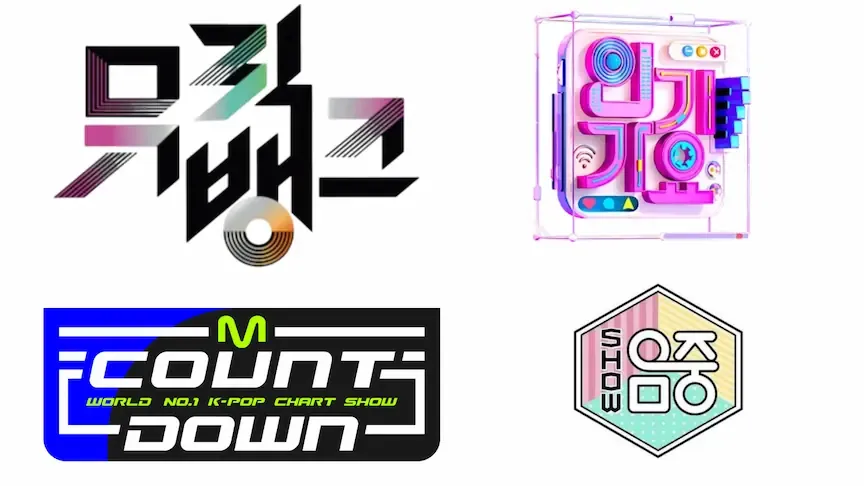
In this guide, you’ll get a clear scoring breakdown for the major shows (Inkigayo, Music Bank, Show! Music Core, M Countdown), plus practical interpretation: why results differ between programs, what patterns matter across a comeback week, and how win predictions are usually made.
1. What Are K-pop Music Shows?
K-pop music shows are weekly televised broadcasts that combine live performances with chart-style rankings and a #1 winner. During a promotion cycle, artists perform the same title track across multiple weeks while competing under each program’s scoring system.
Rather than functioning purely as concerts, these shows operate as structured competitive charts. Every week, one song receives a trophy based on a weighted formula that typically includes digitals, album sales, broadcast points, and fan voting.
Production is split between pre-recorded stages and a live broadcast segment. Most performances are filmed in advance, while ranking announcements, encores, and MC segments usually happen live.
2. The Major Weekly Music Shows Explained
Each major K-pop music show is produced by a different television network, which means each one uses its own scoring formula and weighting structure. This is the main reason why weekly results can differ across programs.
While the core categories are similar (digitals, album sales, broadcast score, and voting), the percentage assigned to each factor changes depending on the show. Some programs reward strong digital performance more heavily, while others place greater emphasis on album sales or live voting.
Because of these structural differences, the same comeback can perform very differently from Thursday to Sunday. Understanding each show’s weighting model is key to interpreting weekly outcomes.
2.1 Inkigayo
Broadcast: Sundays (around 3:40 PM KST)
Network: SBS
Inkigayo is known for a scoring structure that places strong emphasis on digital performance and online metrics. Because of this weighting, songs with high domestic streaming numbers often perform particularly well here.
While album sales and voting still matter, digital dominance can offset weaker physical numbers. This is why groups with strong general-public support sometimes win on Inkigayo even if their fandom-driven album sales are lower than competitors.
Inkigayo also uses a triple crown rule: once a song wins #1 three times, it becomes ineligible for further wins. This prevents extended chart blocking and reshapes competition in later weeks of a promotion cycle.
2.2 Music Bank
Broadcast: Fridays (around 5:00 PM KST)
Network: KBS
Music Bank operates under the K-Chart system and is often associated with a stronger balance between digital performance and physical album sales.
Compared to shows that lean more heavily on streaming metrics, Music Bank can favor groups with powerful fandom purchasing strength. High first-week album sales can significantly influence outcomes, especially in close matchups.
Because of this structure, it is common to see different results between Music Bank and more digitally weighted programs in the same week. When analyzing a comeback, Music Bank results are often interpreted as a reflection of fandom-driven impact combined with stable digital support.
2.3 Show! Music Core
Broadcast: Saturdays (around 3:15 PM KST)
Network: MBC
Show! Music Core uses a weighted scoring model similar to other major programs, but its balance between digital performance and album sales can produce different weekly outcomes compared to both Inkigayo and Music Bank.
Because its formula does not mirror any other show exactly, close matchups can shift depending on which metric performs slightly better that week. A small advantage in digitals or voting can become decisive.
From an analysis perspective, Music Core results are often viewed as a midpoint indicator—neither purely digital-dominant nor purely album-driven—making it useful for evaluating overall comeback stability across categories.
2.4 M Countdown
Broadcast: Thursdays (around 6:00 PM KST)
Network: Mnet (CJ ENM)
M Countdown incorporates digital performance, album sales, global voting, and online metrics into its ranking formula. Compared to some public-broadcast programs, it often places noticeable weight on global engagement factors.
Because of this structure, songs with strong international fandom participation and online activity can perform competitively here, even when domestic metrics are more balanced elsewhere.
In weekly analysis, M Countdown is frequently interpreted as an early indicator of global fandom mobilization during a comeback cycle.
2.5 Show Champion
Broadcast: Wednesdays (around 6:00 PM KST)
Network: MBC M
Show Champion is generally viewed as a smaller-scale weekly show compared to the four most internationally discussed programs. While its scoring still follows the same core logic (digitals, albums, voting, and broadcast-related points), the competitive field is often less top-heavy.
In practice, many top-tier acts do not promote here every cycle, especially when schedules are tight or promotion windows are short. That makes Show Champion an important stage for mid-tier and rising artists who are actively promoting and can mobilize their fandoms consistently.
From an analysis perspective, wins on Show Champion are still meaningful competitive results, but the context is usually different from the most crowded weeks on larger-audience programs.
2.6 The Show
Broadcast: Tuesdays (around 6:00 PM KST)
Network: SBS M / SBS FiL
The Show is also considered one of the smaller weekly music shows and, unlike the biggest network programs, it frequently has fewer top-name competitors in a given week. As a result, many of the biggest artists often skip it during promotions.
That structure makes The Show a major opportunity for lesser-known groups, newer acts, and artists with smaller fanbases to secure wins in general, especially first wins. For many artists, it is the most realistic entry point to earning a first career trophy.
At the same time, that same competitive profile reduces mainstream attention. Because lineups often have fewer blockbuster names, The Show is typically less watched and less discussed by the broader public than the largest weekly programs. It stopped being broadcast in November 2025 but returned to air in early June 2026.
3. How Are Winners Decided?
At its core, every music show winner is determined by a weighted scoring formula. While exact percentages differ, most programs rely on similar core categories:
- Digital streaming score: Domestic chart and platform performance.
- Physical album sales: Units sold within official tracking periods.
- Broadcast score: Internal network-related metrics.
- Pre-voting: Votes collected before the live show.
- Live voting: Real-time audience participation.
- YouTube views (when applicable).
- Social media metrics (when applicable).
What changes between programs is not the existence of these categories, but how heavily each one is weighted. This weighting difference is what creates weekly variation in results.
3.1 Example Weighting Snapshot (2026 Overview)
While exact percentages can change, most major shows currently follow patterns similar to the following structure:
- Digitals: often the largest category (commonly around 40–60%)
- Physical album sales: frequently 10–30%
- Broadcast score: variable depending on the network, sometimes including internal committee evaluation, often around 10–20%
- Pre-voting and live voting: typically combined 10–20%
- YouTube or global metrics: included on selected programs, often around 5–15%
These ranges are approximate and can shift over time as networks revise their formulas.
For week-to-week projections and more detailed breakdowns, many fans refer to prediction accounts such as the X account @KshowAnalysis1, which publishes estimated scoring models and weekly projections. However, it is important to note that this account is fan-run and not officially affiliated with any broadcaster. Its projections are built from observed scoring patterns and publicly available data rather than officially confirmed formulas, so estimates should be interpreted as approximations rather than exact figures.
4. Why Results Differ Between Shows
Understanding scoring categories is only the first step. The real difference appears when you compare how each show weights those categories in practice.
Imagine two songs competing in the same week:
- Song A has very strong domestic streaming numbers but moderate album sales.
- Song B has massive first-week album sales driven by a highly mobilized fandom, but slightly weaker digital performance.
On a more digitally weighted program, Song A may secure the win because streaming contributes a larger percentage of the total score. On a show where physical album sales or fan voting carry more influence, Song B could take first place instead.
This is why the same two artists can alternate wins across different days of the same week. The outcome does not necessarily reflect overall popularity, but rather which performance metric aligns most closely with that program’s formula.
From an analysis standpoint, digitally dominant songs tend to perform better on shows that prioritize streaming and online metrics, while album-driven comebacks often peak on programs where physical sales are heavily weighted. Meanwhile, shows that incorporate stronger global voting elements may favor artists with large international fandoms.
When fans conduct music show analysis, they are not simply reacting to trophies. They are evaluating which metric moved the most and how that aligns with each show’s structure.
5. How Fans Predict Music Show Winners
Because scoring formulas are structured and category-based, fans often attempt to estimate outcomes before the live broadcast.
Prediction models usually begin by tracking publicly available data: digital chart performance, first-week album sales, YouTube views, and pre-voting numbers. By comparing these metrics against known weighting patterns from previous weeks, fans can approximate which song has a numerical advantage.
For example, if a show historically places strong emphasis on digital performance and one song is significantly outperforming competitors on domestic streaming platforms, analysts may predict a likely win—even before live voting opens.
However, predictions are rarely exact. Broadcast scores are not always fully transparent, weighting structures can shift, and live voting can alter close matchups. For this reason, music show prediction is often treated as probability analysis rather than certainty.
When fans engage in music show prediction, they are effectively reverse-engineering the scoring system using observable data. This analytical culture is one reason weekly results generate such detailed discussion across fandom communities.
6. What Is a Triple Crown?
A triple crown occurs when a song wins first place three times on the same music show under that program’s eligibility rules. Once achieved, the song typically becomes ineligible for further wins.
In analysis terms, a triple crown signals sustained multi-week dominance rather than a single strong debut.
7. Pre-recordings and Live Broadcasts
Most performances are pre-recorded before the main broadcast, while ranking announcements and encores typically happen live.
This hybrid structure explains why stages appear highly polished despite being part of a competitive weekly format.
8. Why Music Shows Still Matter
Despite formula variations, music shows remain one of the few transparent, recurring competitive systems in K-pop.
Wins create measurable weekly checkpoints. They influence media narratives, reinforce fandom mobilization, and provide structured data points for comparing comebacks across different time periods.
From an analysis perspective, tracking patterns across multiple shows offers a clearer picture of performance strength than focusing on a single trophy.
9. Music Shows vs. Award Shows
Weekly music shows measure short-term performance during active promotion cycles. Year-end award shows evaluate longer-term impact across broader tracking windows.
Both matter, but they answer different analytical questions.
10. Explore on sourceskpop
If you want to explore this ecosystem with filters instead of manual YouTube searching, these pages are good starting points:
- Performances from all shows. These include more than just weekly music shows.
- Fancams from all shows. These include more than just weekly music shows.
Keep Reading
Related Posts