What Is a Comeback in K-pop? Meaning, Stages and Types
What is a comeback in K-pop? Learn the meaning, promotion period, comeback stages, album types, and how it differs from a debut.
If you are new to K-pop, one of the first confusing terms you will hear is comeback. Fans say a group is “having a comeback” even when that artist never disappeared, never broke up, and released music just a few months ago.
So what does it actually mean?
In K-pop, a comeback is the full return of an artist with new music and a new promotion cycle. It does not mean the artist was inactive for years. It usually means they are releasing a new single, single album, EP, or full album, and are starting a fresh round of teasers, performances, interviews, and music show stages.
This guide explains the exact meaning of a K-pop comeback, how comeback promotions work, what a promotion period is, what a comeback stage means, and how a comeback is different from a debut.
1. What Does Comeback Mean in K-pop?
The simplest definition is this:
A K-pop comeback is an artist’s new release plus the promotions around that release.
When fans or companies announce a comeback, they usually mean more than just “a song is coming out.” They mean the artist is entering a new era with:
- A new title track
- A new concept or styling direction
- Teaser photos and video trailers
- Album pre-orders
- Live performances
- Media appearances
- Fan events and online content
That is why the word feels bigger than a normal release. In K-pop, a comeback is both a music release and a promotional campaign.
2. Why Is It Called a Comeback If the Group Never Left?
This is probably the most common question from new fans.
In standard English, a comeback usually means someone returns after a decline, scandal, injury, or long absence. In K-pop, the term is used much more loosely. It simply means the artist is coming back to the public with new music.
A group can have:
- A comeback after 4 months
- A comeback after 1 year
- A comeback after a hiatus
All three are still called comebacks.
So if you hear “TWICE comeback”, “SEVENTEEN comeback”, or “solo comeback”, do not assume the artist was gone for a long time. It usually just means a new release is scheduled.
3. What Happens During a K-pop Comeback?
A comeback usually follows a recognizable sequence. Exact details change from company to company, but the structure is similar across the industry.
3.1 Announcement and Teaser Period
The company reveals the comeback date and starts publishing promotional material. This can include:
- A scheduler image
- Concept photos
- Mood films
- Highlight medleys
- Track lists
- Music video teasers
This period is designed to build anticipation and push album pre-orders before release day.
3.2 Release Day
On the release date, the artist drops the new song and usually the music video as well. If the comeback includes a physical album, that album also becomes available for sale and shipping around the same window.
In K-pop, the title track is the main promoted song. Even if the album contains several songs, the comeback is usually centered on one lead single.
3.3 Showcase and First Performances
Many artists do a media showcase or comeback showcase around release day. This is where they perform the new song, speak to press, and explain the concept, album, and goals for the era.
3.4 Promotion Period
After release day, the artist enters the active promotion phase. This is the period most fans mean when they talk about “comeback promotions.”
Typical comeback promotions include:
- Weekly music show performances
- Dance challenge videos
- Variety show appearances
- Radio interviews
- YouTube content
- Fansigns and fan calls
- Behind-the-scenes videos
3.5 End of Promotions
After a few weeks, the artist stops appearing on music shows regularly and moves on to other schedules. The songs are still available, but the active comeback cycle is considered over.
4. What Is a Promotion Period in K-pop?
A promotion period is the span of time when an artist actively performs and markets a new release.
This is an important concept because in K-pop, releasing a song is only one part of the strategy. The promotion period is when the company tries to maximize visibility, chart performance, album sales, social media reach, and music show wins.
A promotion period often lasts around 2 to 6 weeks, but there is no fixed rule. Some artists promote for a very short time, while others continue much longer depending on schedule, health, sales strategy, or whether they are promoting more than one song.
During this period, fans usually watch for:
- Music show stages
- Encore stages
- Fancams
- Interview clips
- Challenge collaborations
- Outfit changes across performances
If a fan says, “Their promotion period was too short,” they usually mean the group stopped public performances sooner than expected.
5. What Is a Comeback Stage?
A comeback stage is the artist’s first televised or official performance of a new title track during that promotion cycle.
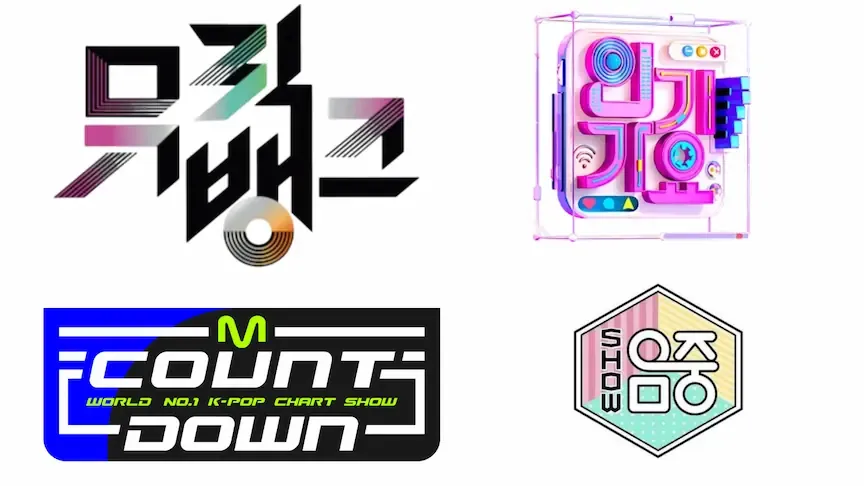
This often happens on a Korean music show such as:
- M Countdown
- Music Bank
- Show! Music Core
- Inkigayo
- Show Champion
The comeback stage matters because it is the first full performance that fans see after the teasers and music video. It is where the choreography, styling, line distribution, center moments, and stage production become clear.
Sometimes an artist performs:
- The title track only
- The title track plus one B-side
- A shortened version for broadcast timing
In practice, fans use “comeback stage” to mean the first official round of promotions on music shows, even if the artist already performed the song at a showcase.
6. Types of K-pop Comebacks
Not every comeback looks the same. The term covers several kinds of releases, and understanding the format helps you know what to expect from the rollout.
6.1 Digital Single Comeback
This is a comeback built around one song released digitally, sometimes without a full physical album.
What to expect:
- One main track
- A lighter rollout
- Fewer album inclusions or no physical version at all
- Shorter promotion in some cases
This format is common for special projects, collaborations, seasonal songs, or between larger album releases.
6.2 Single Album Comeback
A single album usually contains one main single and one or two additional tracks. In K-pop, “single album” does not always mean only one song.
What to expect:
- A title track
- A small tracklist
- A physical album package
- Full teaser and promotion cycle
This is common when a company wants a focused, compact comeback with collectible physical sales.
6.3 Mini Album or EP Comeback
This is one of the most common K-pop comeback formats. A mini album, often called an EP, usually includes around 4 to 7 songs.
What to expect:
- One title track
- Several B-sides
- A stronger concept identity
- Enough songs to show range without the long production cycle of a full album
For many groups, the mini album comeback is the standard format because it balances speed, cost, and fan interest.
6.4 Full Album Comeback
A full album comeback usually feels bigger. It often signals a more important era in the artist’s discography because there are more songs, more planning, and often a more ambitious concept.
What to expect:
- A larger tracklist
- Higher production investment
- More discussion around B-sides
- Stronger collector demand
Fans often treat full albums as major milestones, especially if a group does not release them frequently.
6.5 Repackage Comeback
A repackage is a new version of an existing album with additional songs, often including a new title track.
What to expect:
- Previously released songs plus new tracks
- A fresh promotional push
- New photos, styling, and packaging
- Another title track era built on top of the original album
In practical terms, it is still treated as a comeback because there is new music and a new promotional cycle.
7. Comeback vs Debut: What Is the Difference?
This is another high-intent question, and the answer is simple:
- A debut is an artist’s first official release.
- A comeback is every promoted return after that first release.
If a new group releases its first song, that is a debut. If the same group releases another single 5 months later, that is a comeback.
The difference matters because debut promotions are about introducing the artist, while comeback promotions are about growing the artist’s audience, sales, and identity.
Debut era priorities:
- Member introductions
- Group identity
- First impressions
- Brand positioning
Comeback era priorities:
- Stronger concept execution
- Better sales and chart performance
- Music show wins
- Fandom growth
- Long-term discography building
So when fans compare a debut to a comeback, they are usually comparing the first launch of an artist with a later return that builds on that foundation.
8. Do All Comebacks Include a Physical Album?
No. Many do, but not all.
A comeback can be tied to:
- A digital single
- A single album
- A mini album
- A full album
- A repackage
The core idea is not the package format. The core idea is that the artist has new music and new promotions.
9. How Long Is the Gap Between Comebacks?
There is no universal rule. Some groups come back multiple times in one year. Others may wait 8 to 12 months or longer, especially if they are on tour, working on a full album, facing scheduling conflicts, or dealing with member activities.
The gap between comebacks depends on:
- Company strategy
- Production timeline
- Touring plans
- Member health
- Solo or unit activities
- Market competition
Fans often judge comeback gaps closely because long waits can affect momentum, while overly frequent releases can create burnout.
10. Can Soloists and Sub-Units Have Comebacks Too?
Yes. The term is not only for full groups.
You can have:
- A solo comeback
- A sub-unit comeback
- A Japanese comeback
- A Korean comeback
As long as the artist is returning with new music and promotions, fans will usually call it a comeback.
11. Quick Summary
If you only remember one thing, remember this:
A K-pop comeback is not just a song release. It is the full return of an artist with a new era, new concept, and a new promotion cycle.
That is why people talk about comeback teasers, comeback stages, comeback promotions, and comeback schedules as separate parts of the same event.
Once you understand that, most K-pop news becomes much easier to follow:
- Debut = first release
- Comeback = any promoted return after debut
- Promotion period = the active marketing and performance window
- Comeback stage = the first official stage for the new song
- Comeback type = digital single, single album, EP, full album, or repackage
If you are trying to understand how K-pop works, this is one of the most important terms to learn because it connects music releases, fan culture, and the entire promotional system around an idol group.
Keep Reading
Related Posts